Most drivers save $2,000 to $4,000 a year on maintenance, repairs, fuel, insurance, and detailing with the twenty-five simple systems I run in my own garage and driveway. 76 pages, illustrated, written the way I talk on the channel. The first home oil change and the tire-pressure habit alone earn the $27 back in the first month.

Keeping a good car doesn't have to mean paying shop prices. Clean oil, a steady routine, and a little know-how. That's the whole secret.
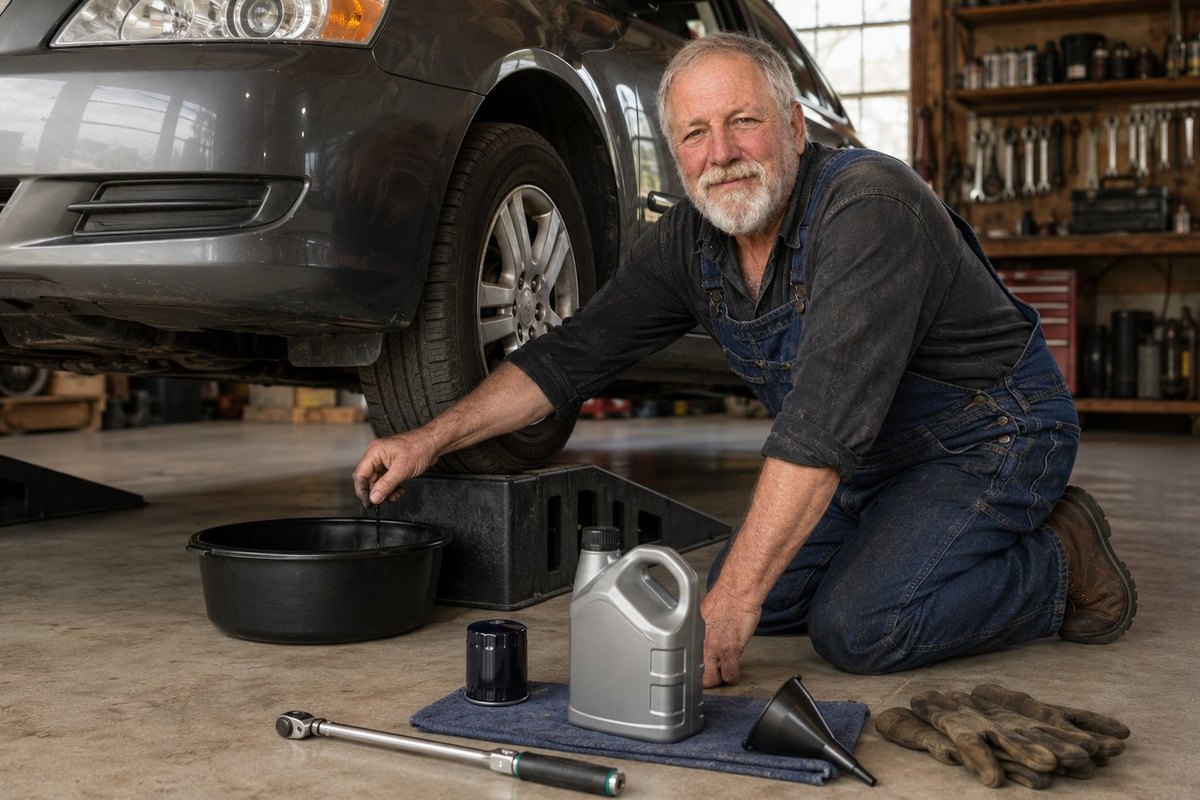
Ted · Car GuyChange your own oil for $35. Never pay $340 for brake pads again. Read your own check-engine light with a $25 tool. Knock $400 off the insurance with one phone call. Get a $180 detail out of two buckets and a Saturday hour. Catch the $12 hose before it turns into the $900 tow. Every system comes with the tool list, the starting cost, what it saves, and the steps in order. Do the first one this weekend and the book has paid for itself.
The $35 oil change. The monthly walk-around. Brake pads without the $340 bill. The battery that lasts twice as long. The tire habit that buys free gas. Wipers, filters, and bulbs in minutes. The $8 two-bucket wash. The scratch that disappears. The insurance phone call worth $400. The OBD reader that decodes the check-engine light. The mechanic script. The expense ledger. Twenty-five systems I've run for years on my own cars, with the exact tools, starting costs, and step-by-step work plans. Most drivers earn the $27 back inside the first month.
| The Car Savings Manual — 76-page illustrated ebook, 25 numbered systems, tool lists, starting costs, step-by-step work plans | $27 |
| The First-30-Days Road Map — week-by-week plan that earns the $27 back by your next oil change | $19 |
| The Car Expense Worksheet + Savings Ledger — printable pages to track exactly what each system saved you | $19 |
| Car Guy's 15 Rules card — printable, for the garage wall | $9 |
| Volume II free on release + lifetime updates — bigger repairs and the used-car buying playbook, no extra charge | $21 |
| Total value | $95 |
| You pay today | $27 |
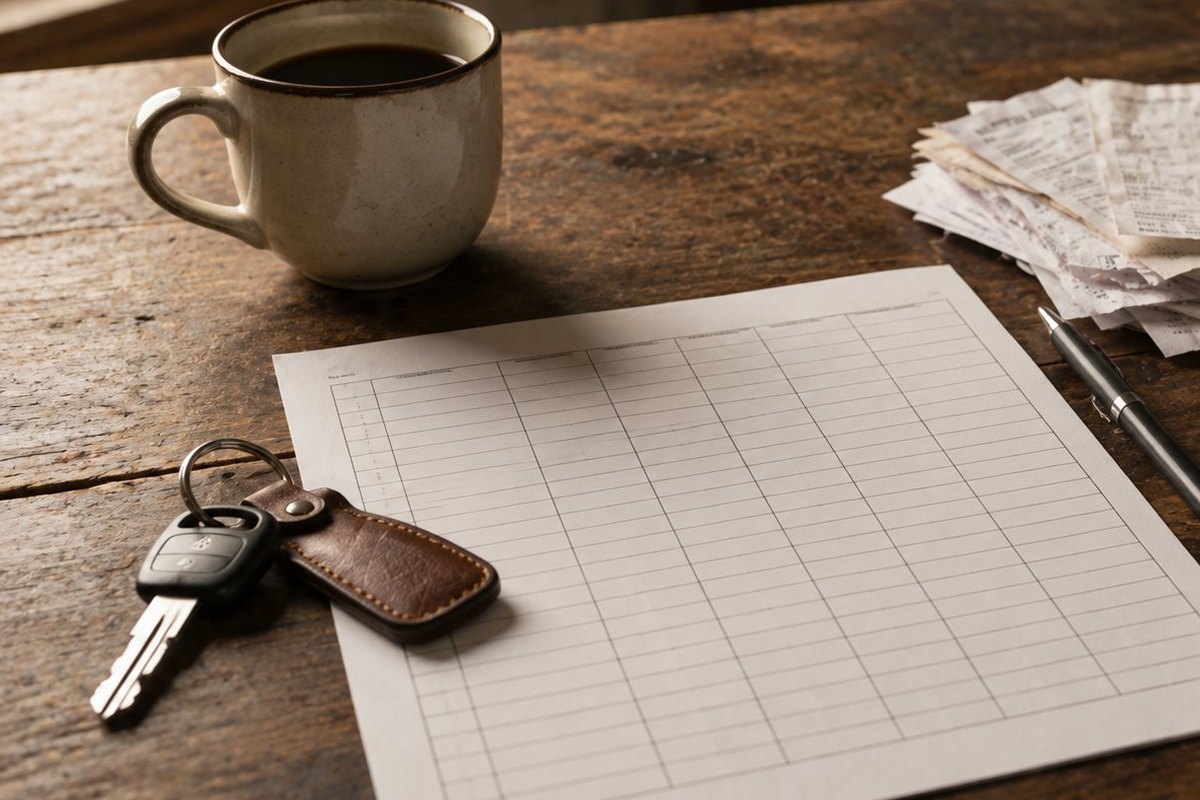
Pull up your last 12 months of shop invoices, fuel receipts, and the insurance renewal. The red column is what most drivers pay without thinking about it. The green column is the same car after the twenty-five systems in the Manual. The difference is yours.
| Shop maintenance (oil, filters, wipers, flushes) | $840 |
| Repairs caught late (brakes, battery, hoses) | $1,450 |
| Fuel wasted (pressure, filters, habits) | $420 |
| Insurance on autopilot renewal | $1,900 |
| Car washes & detailing | $380 |
| Accessories, fluids, small stuff at markup | $180 |
| Maintenance (DIY oil, filters, wipers) | $220saves $620 |
| Repairs (caught early, DIY pads & battery) | $600saves $850 |
| Fuel wasted (pressure habit, clean filters, smooth right foot) | $80saves $340 |
| Insurance (shopped, restructured deductible) | $1,450saves $450 |
| Wash & detail (two buckets in the driveway) | $60saves $320 |
| Fluids & small parts (bought plain, not at the counter) | $90saves $90 |
The honest range is $2,000 to $4,000 a year, depending on your cars, your miles, what you pay today, and how many of the twenty-five systems you actually put in.
Twenty-five numbered systems across six parts, each one a bill you stop paying. Every system gives you the plain truth, who it's best for, what it saves, what it costs to start, a Simple Work Plan with what you need and the steps, and a Keep It Safe note on what it does and doesn't do. Pick the ones that fit your car and your skill level. You do not have to do all of them to come out ahead.


Three drivers, three different driveways, three different cars. Each one cut a real bill with a specific system in the book.

I'll say this up front, I bought it for the brake chapter and haven't even done the brakes yet. What actually happened is the tire pressure thing. Took me maybe 20 minutes the first Sunday, mostly finding the gauge. Gas bill was $210 a month, now it's around $140 with the same commute. My wife's Highlander too. It's just part of the Sunday routine now, I do it before the coffee's done.
— Daniel R. · Loveland, CO
Weird thing to say but the walk-around is kind of my favorite part of the month now. It's ten minutes. I've caught a low tire, a burnt-out brake light, and a little coolant smell before any of it turned into anything. The one time I did go to the shop I had my notes with me and the guy said it was the most useful visit he'd had all week. Turned out to be a $12 hose. Fourteen months in and nothing has snuck up on me.
— Rachel B. · Bend, OR
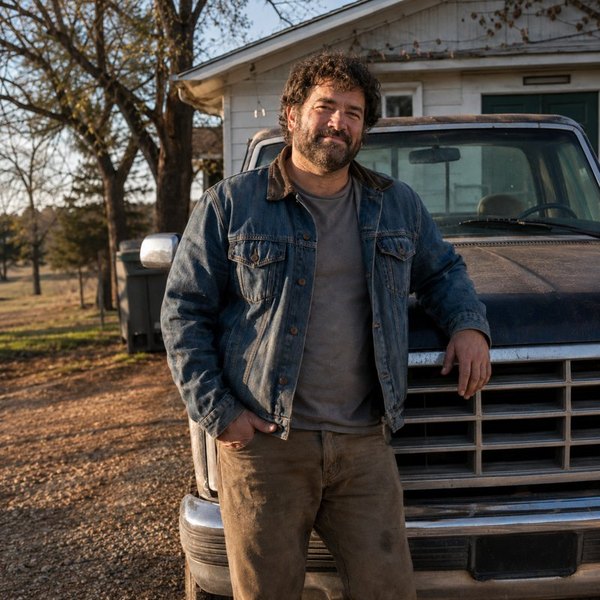
To be honest I was nervous about the brakes. I'd never done them. Followed Ted's steps, took me most of a Saturday morning, and I did have to run back to the parts store once because I forgot the grease. But it's done, and that's $340 I used to hand over every couple years without thinking about it. Truck stops better than it did when the shop last touched it, which I still find a little funny.
— Marcus H. · Rutland, VT
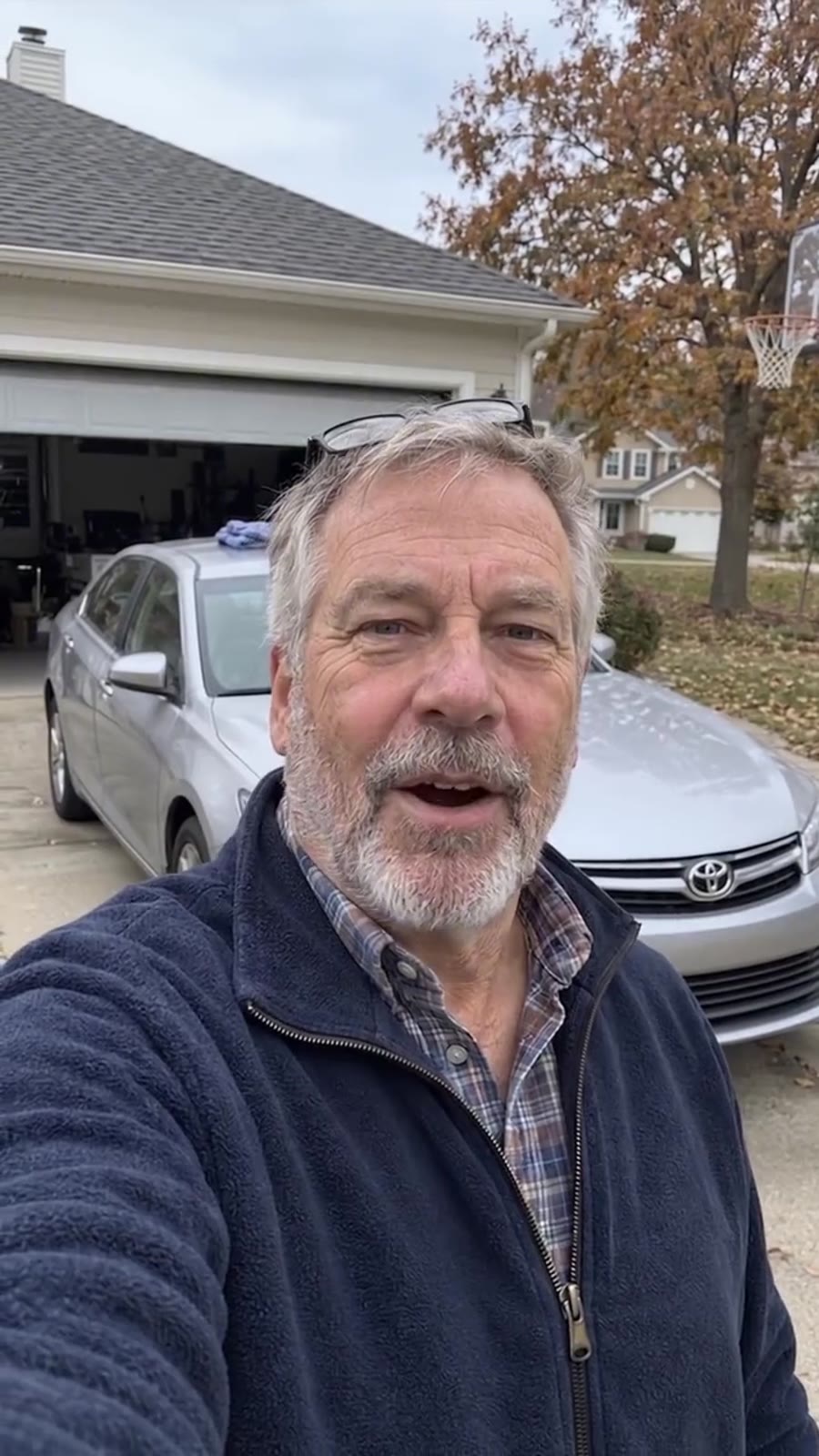
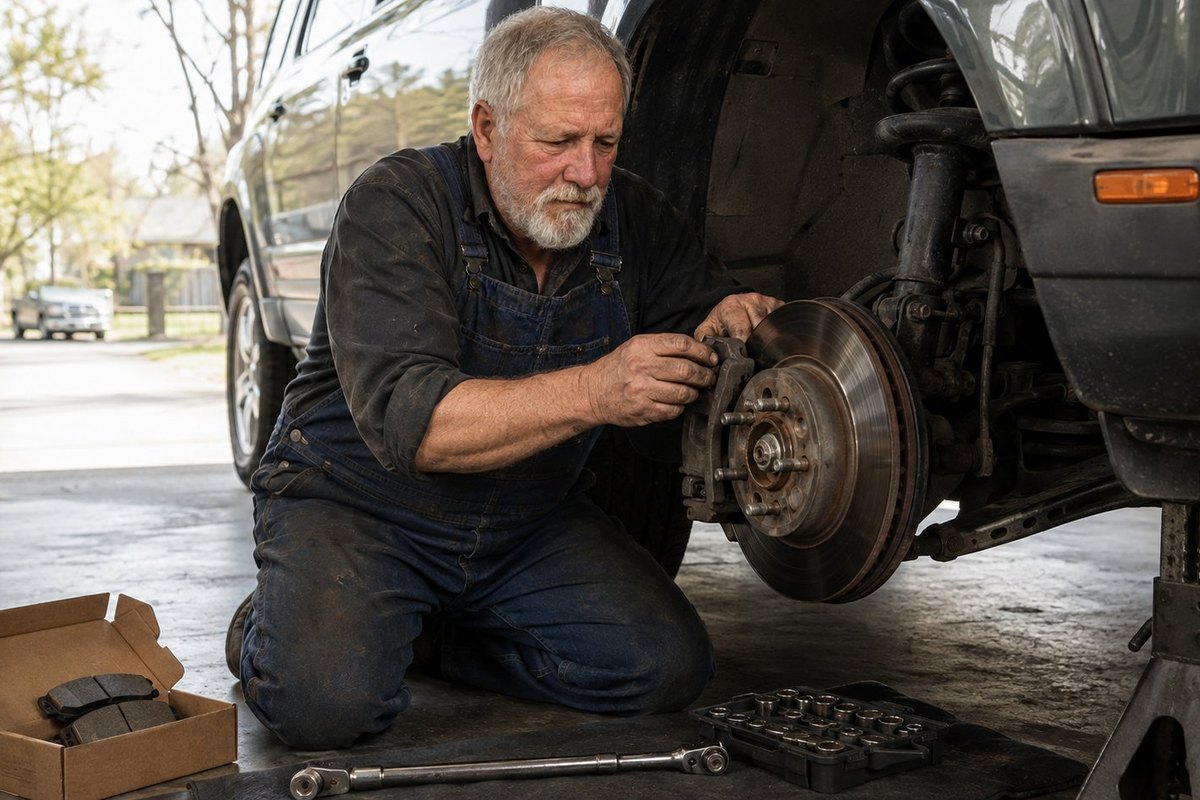
I'm Ted. I've kept cars running my whole life, and somewhere along the way I started noticing what everybody notices sooner or later. The bills. A $110 oil change. A $340 brake job. An insurance renewal at $1,900 that creeps up another $150 every year for no reason anybody can explain to you. A $180 detail. And I'd think about the men I learned from, my dad and my uncle mostly, and they never paid for any of that. Not once. They changed their own oil on Saturday morning, walked around the car once a month, washed it with two buckets in the driveway, and made one phone call a year about the insurance. Their cars ran forever. Their wallets stayed shut.
So I went back to doing it the simple way, and then I started filming it, mostly because people kept asking. The driveway oil change. The monthly walk-around. The brake job. The two-bucket wash. The insurance script. The ledger. Thousands of drivers have used those videos to cut the shop bill, catch the $12 hose before it turned into the $900 tow, and quit paying counter markup on things that take five minutes.
This First Edition is the channel, organized. Twenty-five systems across six parts, in the order you should do them, with the tools and the dollar amounts written down so you don't have to pause the video. Seventy-six pages. Illustrated all the way through. Read it once, work through the systems at your own pace, and keep the savings every year you own a car.
Instant access, in your inbox within 60 seconds of payment. Read on any phone, tablet, or computer. Print the ledger pages and stick them on the garage wall. 7-day money-back guarantee, no questions asked. If it's not for you, email and the $27 comes back the same day.
Twenty-five systems for maintenance, repairs, detailing, fuel, insurance, and the ledger, with tool lists, starting costs, possible savings, and the step-by-step work plan. Pick the ones that fit your car. Skip the ones that don't.
| The Car Savings Manual — 76-page illustrated ebook, First Edition | $27 |
| The First-30-Days Road Map — week-by-week, earn the $27 back fast | $19 |
| Expense Worksheet + Savings Ledger — printable tracker for every system | $19 |
| Car Guy's 15 Rules card — printable | $9 |
| Volume II free + lifetime updates — every future revision, free | $21 |
| Total value | $95 |
| You pay today | $27 |
Yes. The twenty-five systems are written for ordinary cars, trucks, and SUVs: Toyota, Honda, Ford, Chevy, Hyundai, Subaru, and the rest. The steps are universal; the specifics (oil grade, filter part number, torque specs) come from your owner's manual and a free VIN lookup, and the book shows you exactly where to find them. Hybrids and EVs skip the oil chapters and still profit from everything else. Tires, insurance, detailing, and the ledger are drivetrain-neutral.
Most of the highest-return systems need no wrench at all: the tire-pressure habit, the monthly walk-around, the insurance phone call, the two-bucket wash, the ledger. The wrench jobs are graded: oil, filters, wipers, and battery are beginner weekend jobs with photos; brakes are marked intermediate with a "do it with a friend the first time" path; and System 11 tells you plainly what belongs at the shop.
The insurance call can save hundreds in a single afternoon. The tire-pressure habit shows up at the next fill-up. The first oil change pays for the book against one shop visit. The walk-around usually pays biggest of all the first time it catches a $15 part before it becomes a $700 repair.
Yes, with a note the book covers: under factory warranty, keep required services documented (the book's maintenance log does exactly that; DIY oil with receipts is warranty-safe in the U.S. under Magnuson-Moss, and the log proves it). Leased cars profit most from the fuel, insurance, wash, and ledger parts. Older, paid-off cars get the full benefit of every system.
Instant access, emailed to you within 60 seconds. A 76-page illustrated PDF with photos throughout, readable on any phone, tablet, or computer, or printed on plain paper. No DRM, no app, no subscription. Yours forever.
Volume II, bigger repairs and the used-car buying playbook, is in the works. Buyers of Volume I get it free when it's published, plus every revision of this edition at no charge.
Seven days, no questions asked. Send an email and you get a full refund. The Manual stays yours.
$27 once. Instant access. 7-day money-back guarantee. Most owners earn the $27 back in the first month. First Edition, 76 pages, Volume II free, lifetime updates.
Get the Manual · $27 →The first home oil change alone pays for the book against one shop visit. 25 systems total. 7-day refund if it's not for you.
Get the Manual · $27 → or see what's inside →Tap below and the PDF opens right away. A receipt and your library link are also on the way to your email.
Download my Manual →